
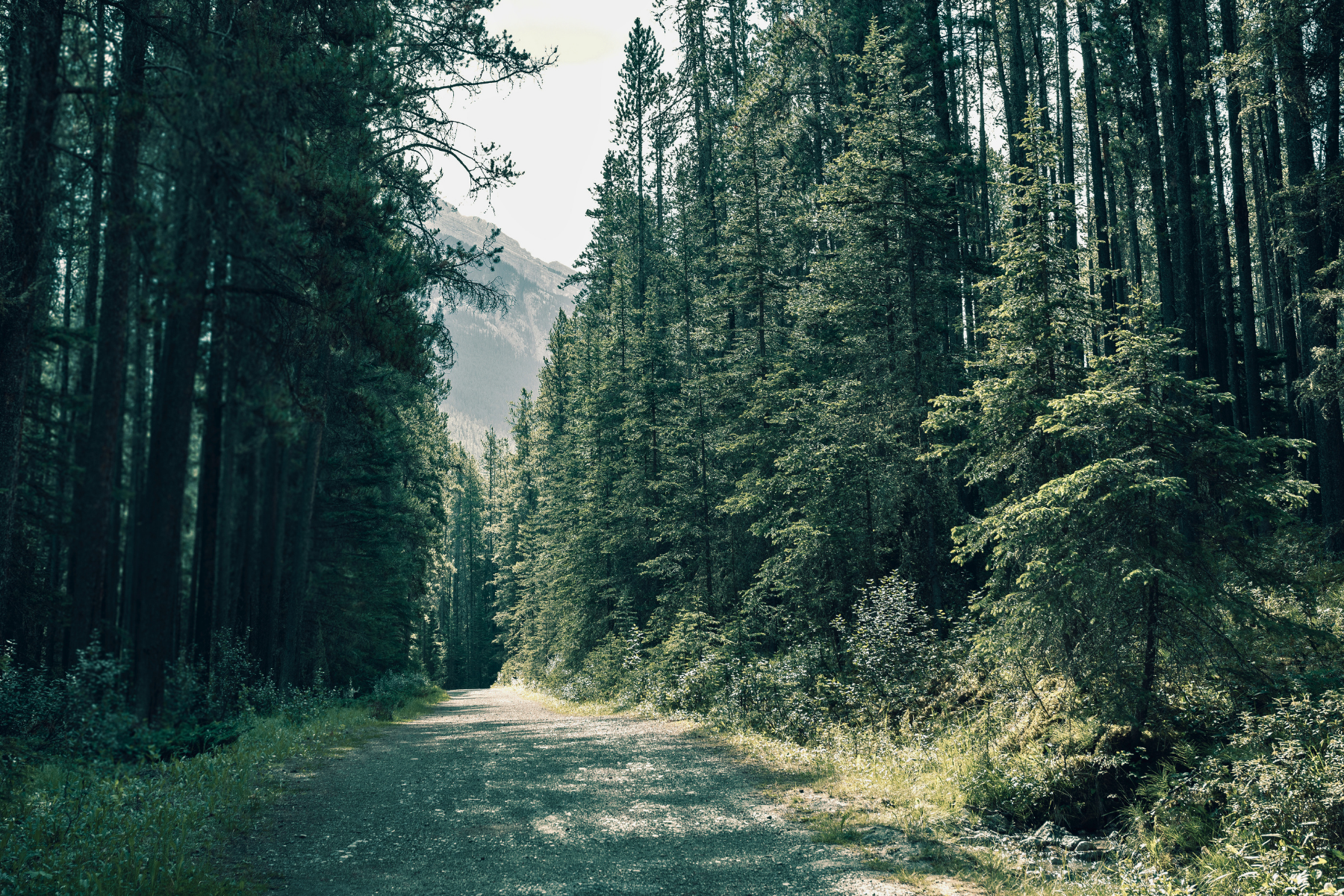
WALK & TALK THERAPY · PARK CITY, UTAH
Sometimes moving forward starts with moving.
Therapy doesn’t always have to happen sitting still.
Walk & Talk Therapy brings the conversation outside, combining psychotherapy with gentle movement and the natural setting of Park City. Walking side by side can ease the pressure of face-to-face conversation, make silence feel more natural, and create space to sort through what feels overwhelming, complicated, or stuck.
Sometimes, a little movement can open up a whole new way forward.
MOVEMENT + PRESENCE
Your mind isn’t the only part of you that shows up to therapy.
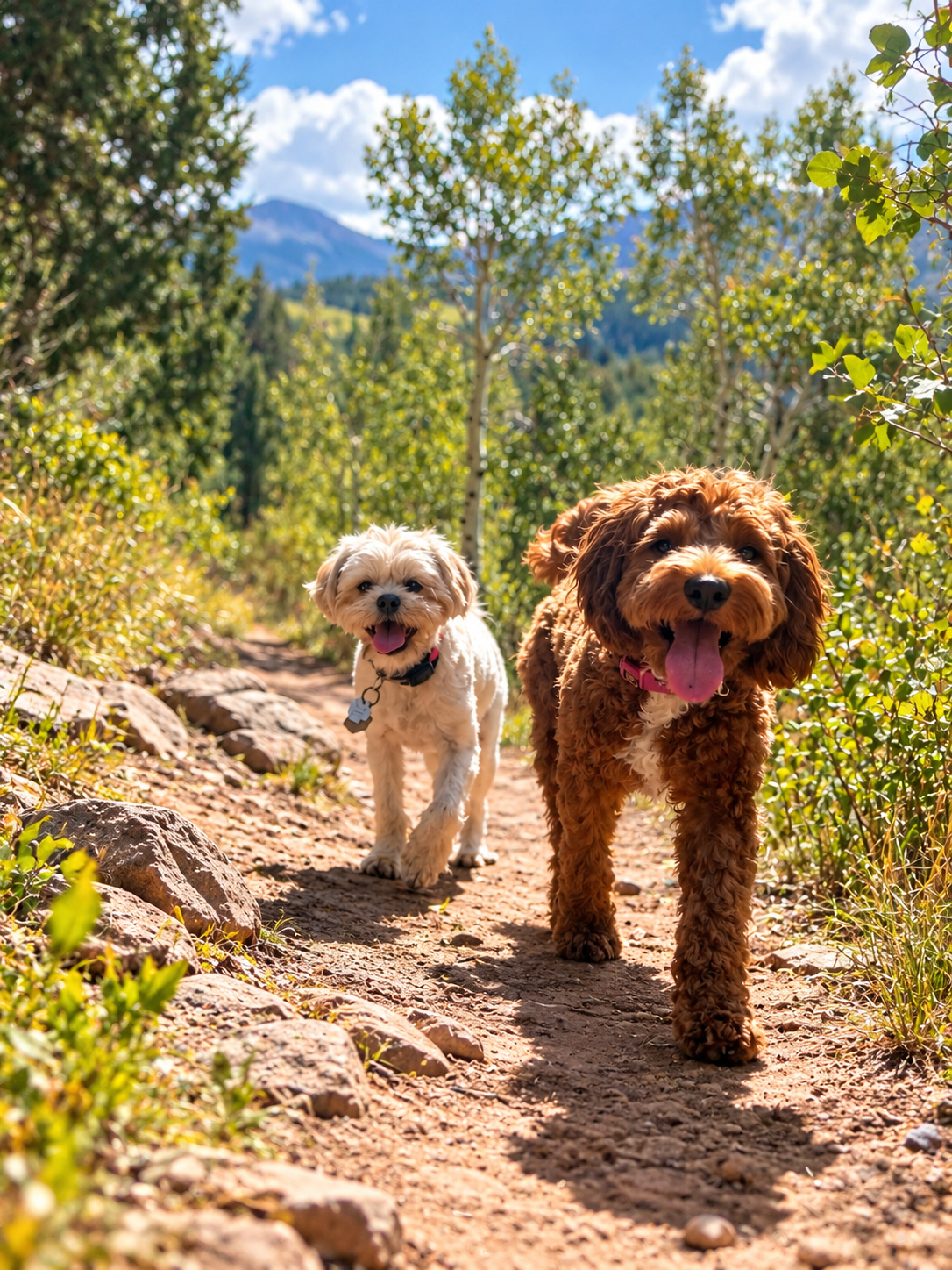
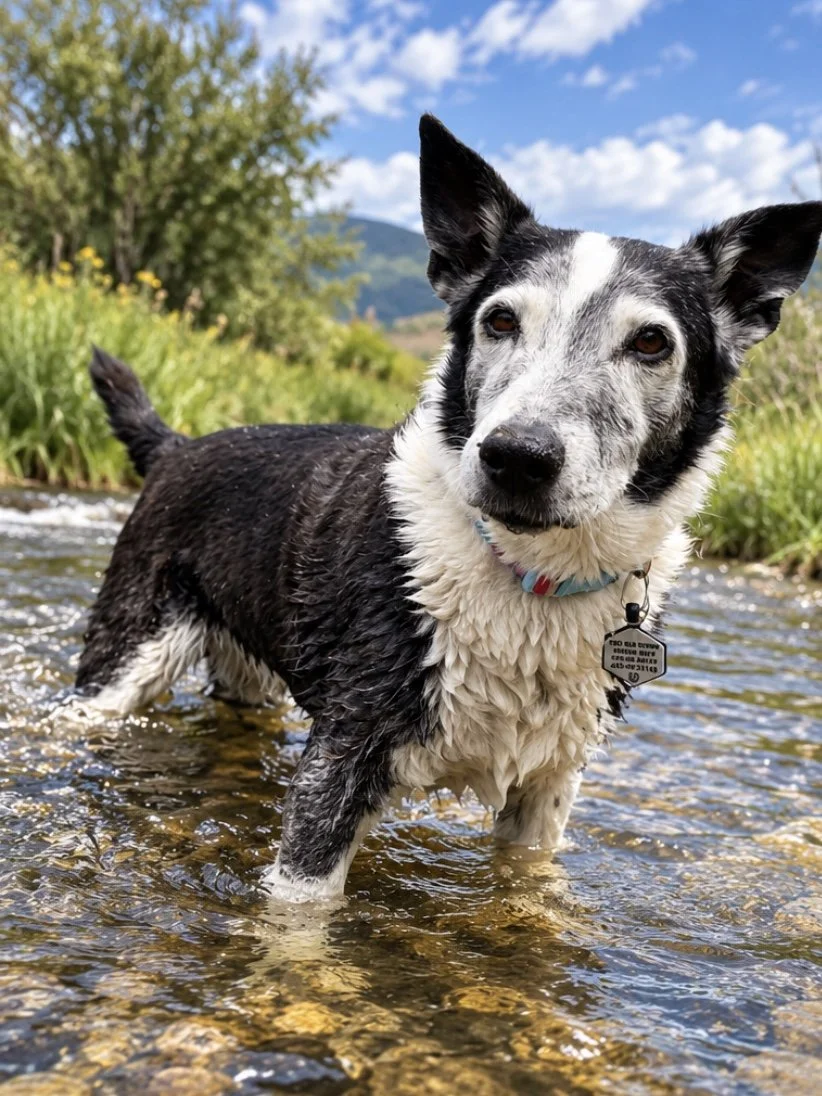
We often think of anxiety, stress, and trauma as happening in the mind, but our bodies carry them too—through tension, racing thoughts, shallow breathing, restlessness, or the urge to shut down.
Walk & Talk Therapy creates space to notice both. The rhythm of walking, along with breath and the environment around you, can offer something steady to return to while we work through what feels unsettled.
Walking itself is not the treatment. It simply becomes part of the therapeutic environment, helping you stay connected to the present while we work with both mind and body.
There is room for both.

A DIFFERENT SETTING FOR THERAPY
Sometimes it’s easier to find your words when you’re moving.
Walking side by side can take some of the pressure out of the conversation. There is less emphasis on eye contact, pauses tend to feel more natural, and thoughts have room to unfold without the sense that every moment of silence needs to be filled.
For some people, movement makes it easier to talk. For others, being outside creates enough space to breathe, slow down, and become more aware of what is happening internally. And sometimes an important conversation simply feels more natural when you are moving through the world rather than sitting still inside a room.
-
This isn’t a workout. There’s nowhere you have to get to.
You don’t need to be athletic, love hiking, own special gear, or worry about keeping up.
Walk & Talk Therapy is designed around you.
We choose a location and pace that feel comfortable, and the movement remains secondary to the therapeutic work. Some sessions may involve walking for most of the hour, while others may include slowing down, stopping somewhere along the way, or simply taking a moment to notice what is happening around us.
There may even be days when walking less feels more useful than continuing forward.
That’s okay too.
The goal isn’t distance, speed, or reaching the end of a trail. There is no destination you need to reach before the session ends.
Movement simply becomes part of the space we share.
-
Walk & Talk may feel right if sitting still has never felt quite right.
There isn’t one particular type of person who benefits from outdoor therapy. Often, it comes down to how you naturally think, process, communicate, and feel most comfortable.
You tend to think more clearly when you move.
Maybe your best conversations have always happened in the car, while walking the dog, or while doing something alongside another person. For some people, movement gives thoughts enough room to organize themselves. Something that feels difficult to access while sitting still may feel easier to approach once the body begins moving.
Face-to-face therapy feels a little too intense.
Talking about vulnerable things while someone is sitting directly across from you can feel like a lot. Walking side by side changes that dynamic without changing the purpose of the conversation, creating a setting that may feel less formal and more natural.
Your life happens mostly indoors.
Screens, meetings, work, caregiving, responsibilities—sometimes almost an entire day can pass without intentionally stepping outside. Walk & Talk Therapy creates an opportunity to physically leave that environment behind for an hour while also making space for yourself.
Nature helps you feel more grounded.
For some people, being outside naturally creates perspective. There is something useful about noticing the air, the trail, the trees, or the mountains while working through something that has made your internal world feel very small.
You’re comfortable letting silence exist.
Not every meaningful moment in therapy requires words. Walking gives quiet moments somewhere to go, allowing you to think, notice, and process without feeling pressure to immediately explain what is happening.
Or maybe you simply prefer being outside.
You don’t need a therapeutic justification for choosing Walk & Talk Therapy.
Sometimes the setting where you feel most comfortable is simply the setting where it becomes easier to do meaningful work.
-
We start with you—not the trail.
Before beginning Walk & Talk Therapy, we’ll talk about what brings you to therapy, what you hope might be different, and whether an outdoor setting feels appropriate for the work you want to do.
We’ll also discuss the practical pieces: where we’ll meet, the general route, accessibility and physical comfort, privacy in an outdoor environment, weather and trail conditions, and what we’ll do if we happen to encounter someone either of us knows.
Then we walk.
From there, a Walk & Talk session feels much like any other therapy session. Some days the conversation may come easily. Other days may feel quieter and more reflective. We may spend time understanding a pattern, working through something difficult, exploring a relationship, practicing a new way of responding, or simply making space for something you haven’t had room to think about anywhere else.
There is no expectation that you constantly walk or constantly talk.
There is also no requirement that every session look the same.
Therapy should respond to what you need—not force you into a format simply because that is how we started.
-
Movement can support the work without becoming the work.
Carina’s clinical approach includes trauma-informed therapies and techniques such as Accelerated Resolution Therapy (ART), Internal Family Systems-informed work, Cognitive Behavioral Therapy, nervous-system awareness, and mind-body approaches.
Walk & Talk Therapy can complement that work by giving us another way to notice what is happening emotionally and physically while staying connected to the present environment.
You may have heard that walking involves bilateral movement and wondered whether Walk & Talk Therapy is similar to EMDR. While walking naturally involves alternating movement, walking itself is not EMDR, and bilateral movement alone does not make something an EMDR intervention.
Walk & Talk Therapy is psychotherapy that happens while walking outdoors.
When more structured trauma-focused work is appropriate, we approach that intentionally and determine together what method and setting best support your treatment.
The trail can support the process.
It doesn’t replace it.
-
Therapy outside works a little differently.
Part of what makes outdoor therapy appealing is that it happens in the real world. That also means privacy works differently than it does behind a closed office door or through secure telehealth.
Before your first Walk & Talk session, we’ll discuss those differences openly. We can decide how you would like to handle encountering someone you know, how we approach particularly sensitive conversations in public spaces, and whether there are certain topics you would rather explore through telehealth.
There may also be times when the nature of what you are working through makes another setting feel more comfortable or clinically appropriate.
Walk & Talk Therapy should expand your options—not limit them.
Your privacy, comfort, and ability to engage meaningfully in the work will always matter more than staying on the trail.
-
Some days, the weather gets the final say.
Park City gives us incredible places to walk.
It also gives us snow, heat, thunderstorms, wind, mud, ice, and the occasional weather forecast that changes its mind several times before lunch.
Before beginning Walk & Talk Therapy, we’ll establish a plan for days when trail conditions or weather make meeting outside impractical.
Sometimes that may mean choosing another location. Sometimes it may mean switching to telehealth.
The point is not to force an outdoor session simply because we planned one.
Flexibility is part of the process.

THE PRACTICAL PART OF THE PATH
A few things to know before we get moving.
Walk & Talk Therapy is meant to feel flexible—not complicated. You do not need to be a hiker, own special gear, or know exactly what to expect before your first session.
Here are a few of the questions people often have before we hit the trail.
-
Not at all.
Walk & Talk Therapy is not a workout, and there is no expectation around speed, distance, or fitness level. We choose a route and pace that feel comfortable for you, and we can slow down, stop, or sit whenever needed.
The goal is therapy—not mileage.
-
Because this is Utah, the weather occasionally gets a vote.
Snow, heat, thunderstorms, wind, mud, ice, or poor trail conditions may mean we need to adjust the plan. Depending on the day, we may choose another location or switch the session to telehealth.
We will talk about the backup plan ahead of time so you are never left wondering what happens if the forecast changes.
-
Whatever allows you to feel comfortable walking and talking.
Comfortable shoes, weather-appropriate clothing, sunscreen, layers, and water are always a good idea. You do not need special hiking equipment unless we have specifically discussed a route that requires it.
-
Possibly.
If your dog is comfortable in public, well behaved on leash, and allowed on the trail we are using, we can talk about whether bringing them makes sense.
The biggest consideration is whether your dog helps you feel more comfortable—or becomes something you have to manage throughout the session.
We can decide together.
-
Then we don’t have to.
Some days you may want to walk the entire session. Other days you may want to slow down, sit somewhere for a while, or switch to telehealth.
Choosing Walk & Talk Therapy does not mean every session has to look exactly the same.
-
Sessions take place on agreed-upon trails or walking routes in the Park City area.
Before your first outdoor session, we will choose a location based on comfort, accessibility, privacy, weather, and the type of walking experience that feels right for you.
-
That is completely okay.
Walk & Talk Therapy is simply one option. If you discover that you would rather meet virtually, sit instead of walk, or use a different setting for certain kinds of therapeutic work, we can adjust.
The setting should support the therapy—not become another thing you have to manage.
-
Generally, the goal is easy, conversational movement—not a challenging hike.
Routes are chosen so you can comfortably talk while walking. If you have mobility concerns, injuries, health considerations, or simply prefer flatter terrain, let me know and we can choose accordingly.
-
Outdoor therapy naturally has different privacy considerations than telehealth or an office setting.
Before we begin, we will talk about how you would like to handle encountering someone you know and whether there are certain topics you would rather discuss in a more private setting.
Your comfort and confidentiality remain priorities, even when therapy moves outside.
-
We will decide ahead of time how you want that handled.
Carina will not identify you as a client or disclose the nature of your relationship. Having a plan beforehand helps make an unexpected encounter feel much less awkward.
-
Absolutely not.
Silence is allowed.
Sometimes walking makes it easier to let a thought develop before trying to explain it. You do not need to fill every quiet moment simply because you are in therapy.
Sometimes the quiet is part of the work.
-
Anytime.
We can pause, sit, change direction, slow down, or modify the route. There is no finish line and no trail we have to complete.
-
Usually, just yourself, comfortable shoes, water, and whatever you need for the weather.
You may also want sunglasses, sunscreen, a light layer, or winter gear depending on the season.
-
As much as Park City weather reasonably allows.
Some seasons naturally offer more outdoor options than others. When conditions are not safe or comfortable, telehealth provides an easy alternative.